

How to Replace a Lock on a UPVC Door in Five Minutes
It's a simple and cost-effective way to change the lock on your Upvc door. It can be completed in just five minutes. If you're looking to change the lock following a burglary or just want to provide additional security it is a great way to improve the safety of your home.
1. Remove the old lock
To change a lock on an upvc door, you must first take off the old lock. This may seem daunting at first, but with a little preparation it's not difficult and will help you avoid the expense of hiring a locksmith.
Begin by carefully removing the screw that is underneath the lock faceplate within the door. This will expose the lock cylinder, which will allow you to remove it without damaging the door or frame. After removing the lock cylinder from its housing, wipe it with a clean cloth to get rid of any remaining screw remnants.
Change the locks on your upvc doors can enhance the security of your home and deter burglaries. If you're moving home it is essential to change the locks so that only the new owners have access to your property.
No matter the reason, it's important to be sure to select the best lock to meet your needs. The wrong lock can lead to inadequate performance, or even compromise the security of your home. It is also crucial to measure the current lock accurately to ensure the replacement is a good fit. For best results, it's recommended to consult a professional who can provide you with a broad variety of high-quality locks.
2. Remove the handle
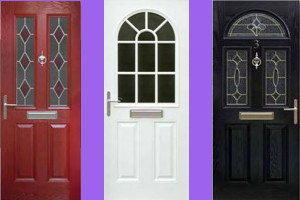
If your handle is hard to turn, it might be time for a new one. Try lubricating the handle with a lubricant approved by the manufacturer. We suggest a graphite based oil. If this fails, it's best to replace the handle to prevent further damage.
Another indication that it's time to buy a new door handle is if the lock mechanism feels flimsy when locked. This problem can be solved easily by replacing the lock. It also increases security since it will ensure that only authorized people have access to the door.
It's not a difficult task to replace the handle and lock, however, it can be a bit daunting when you're faced with something you depend on to ensure your safety. If you're unsure, consider hiring a professional to take care of the task for you. A locksmith who is certified will have the expertise and tools required to complete the job quickly and efficiently. They'll also be able to offer suggestions on the most effective solutions for your particular situation. They'll be able to recommend the right solution for your requirements and budget. They will also give you an estimate to help make an informed decision about the right service for you. They'll help you arrange an appointment that works for your busy life.
3. Take the lock barrel off
A door lock that is not working properly could pose a security risk to any home. If you feel that the lock is flimsy or your key is difficult to turn, it could be due internal wear. A replacement barrel can help to restore smooth operation and increase your home security. This is also an opportunity to upgrade your lock system to one that prevents key-snapping and picking.
Begin by getting rid of the screw that holds the lock in the correct position. The screw should be visible from the edge of your door. It is typically a different color than the rest of the screws. Make sure to keep the screw in a secure place.
Then, loosen the lock handle using a screwdriver from the spindle. Finally, remove the lock barrel by gently shifting it to the left until it is removed. Then, insert the new lock barrel by aligning it correctly within the slot on the door. Screw the lock into place and tighten until it is secure, but not too tight (you don't want to pull it off). it).
You've successfully changed your doorlock! Now you can relax in the knowledge that your home will be well protected.
4. Take out the key that was previously used.
It is imperative to act quickly in the event that your uPVC lock is damaged. You can secure your home from unauthorised entry, and ensure the safety of your family and possessions. However, deciding whether to take on the job yourself or employ locksmiths can be a challenge.
Even though DIY can be enjoyable, it's best to hire an expert for more complex tasks, such as changing your uPVC locks. Professional locksmiths will provide you with peace of mind that the job is done properly and will also offer advice that is tailored to your requirements.
Identifying the type of lock installed on your uPVC is important. This can be done by examining the handle or the markings on the lock body. It is also helpful to determine the brand name, since this will help you locate the replacement.
After you've identified the type of lock on your uPVC Door is the time to remove the key that was previously used. To accomplish this, you need to first remove the retaining screw that is located on the faceplate of the lock. Use a screwdriver and remove the escutcheon. Then, you have to remove the lock barrel from the handle by loosening the screw that is holding it in place.
5. Install the new lock
Changing the lock on a uPVC home is a great way to improve your home's security. Many homeowners are intimidated by the process and are hesitant to attempt it themselves. This guide gives clear and practical instructions that demystify the procedure. With a bit of time and the right tools, it's surprisingly simple to alter your own uPVC door lock mechanism.
If your uPVC door lock is jammed or is stiff when operating, this is an indication that it's the time to replace it. Other signs of wear and tear include visible damage, a loose handle, or occasional functioning. Changing your uPVC lock will ensure that it's functioning as intended and that it's not vulnerable to compromise or unauthorised key duplication.
The length of the cylinder before you begin. This will enable you to find a replacement that is exactly the same. It will be easier to locate the correct lock If you are aware of the name and marks of the manufacturer. Once you've identified the right lock, you can place it in the mechanism and tighten the screws. Reattach the handles, and ensure that they function correctly on both sides of the doors. Make sure to use a lubricant made of graphite to prevent the mechanism from getting stuck.
6. Install the handle
Install the handle after the new barrel has been fitted. Make sure it is correctly aligned, and then secure it using screws. Do not overtighten the screws as this could damage the handle. If the handle is fitted with caps or face plates to protect the screws, you can put these in place as well. Test the lock to ensure it is working properly and free of any looseness or friction.
If your uPVC doors are squeaking or jamming, it may be time to replace the doors. It could be a sign of aging and could also mean that the key from the past is still circulating in the air, creating an unintentional security risk for your home. Change the locks to discourage burglars and ensure that only residents have access.
The good news is that replacing the door lock made of uPVC is not as daunting as it may seem at first. With the appropriate tools, it's an simple job that anyone can do. cost to replace upvc door lock mechanism can also hire a professional to do it for you. This option will save you time and money, and also ensure that your door won't be damaged or your insurance coverage invalidated because of a DIY blunder.
7. Test the lock
A malfunctioning uPVC door lock can be a significant security risk. But the good news is that it is easily repaired. This guide will teach you how to change the lock on a door made of Upvc to improve the security of your home.
The first step is to take off the old lock cylinder. This can be done by removing the screw holding it in place. Once the retaining screw is removed, the barrel lock will slide out of the handle frame. Then, you'll need to replace the new lock cylinder. The new cylinder should be identical in size. Once you've replaced the cylinder, test the lock to make sure that it is working properly.
Before taking any action, it's essential to determine the reason of a broken lock. For example, if your door locks are stuck it could be due to an absence of lubrication, or a problem with the internal hinges. In such cases, it is best to contact a locksmith assistance. To avoid these issues, you should clean and lubricate your door's mechanisms regularly.